Winter Field Note: Trust Is Part of the Process
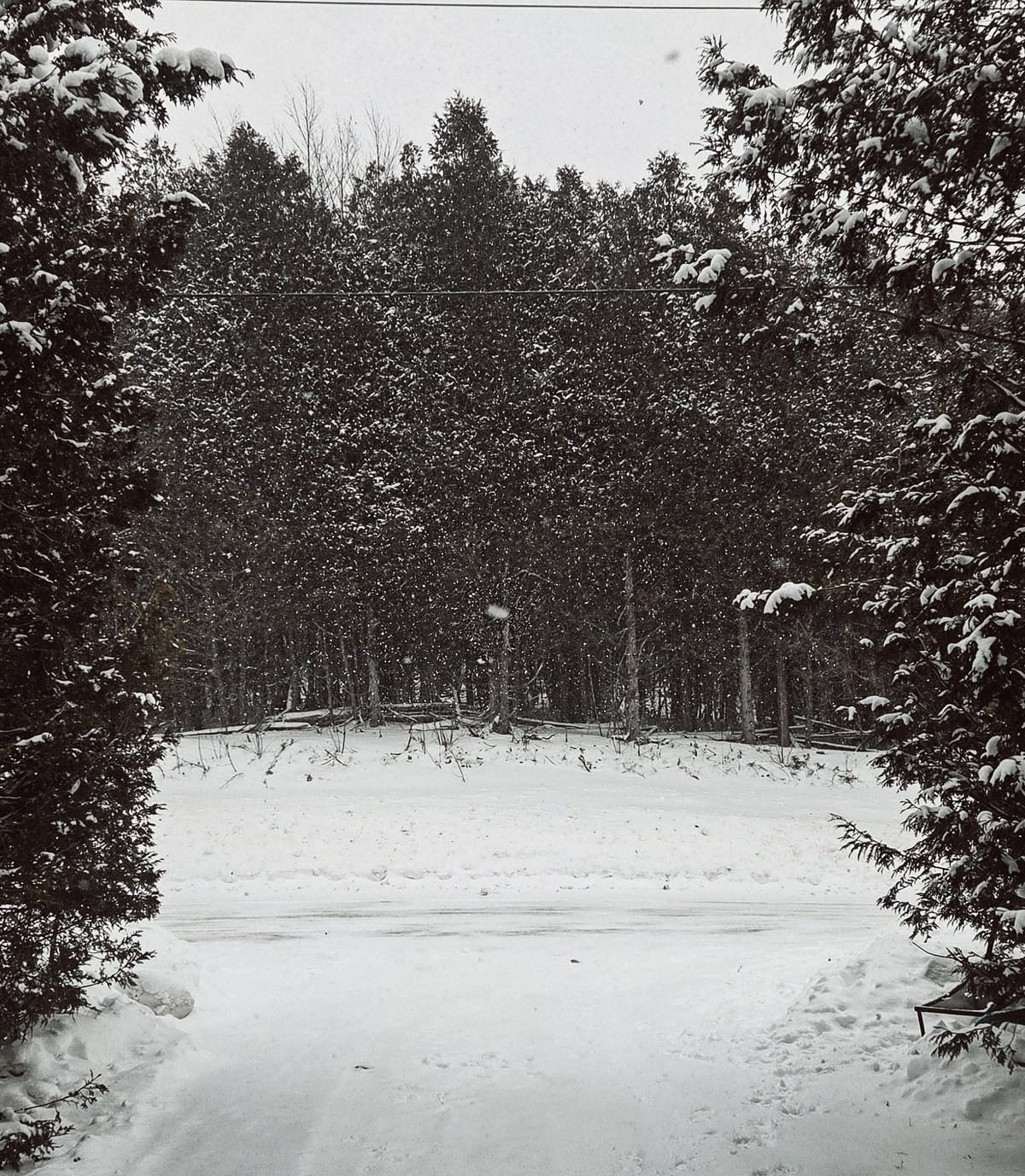
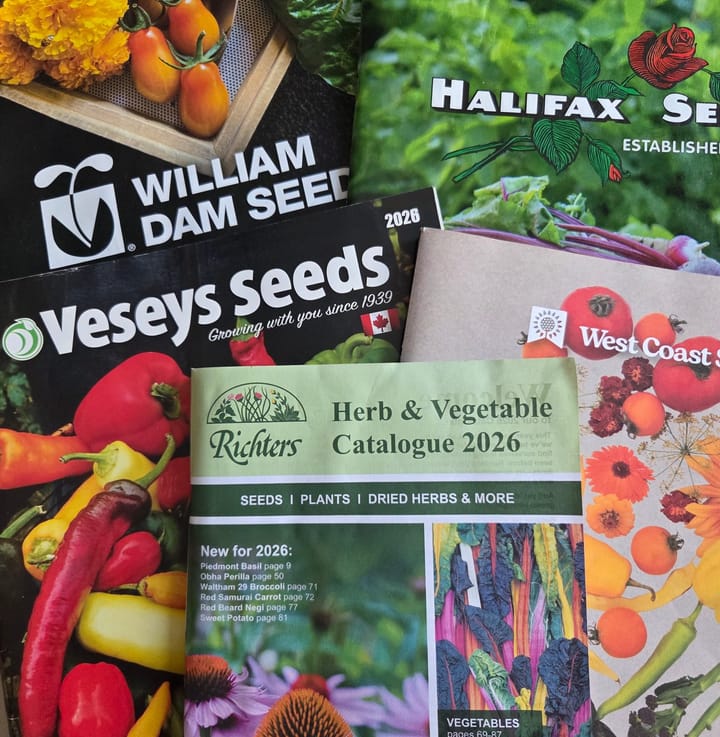
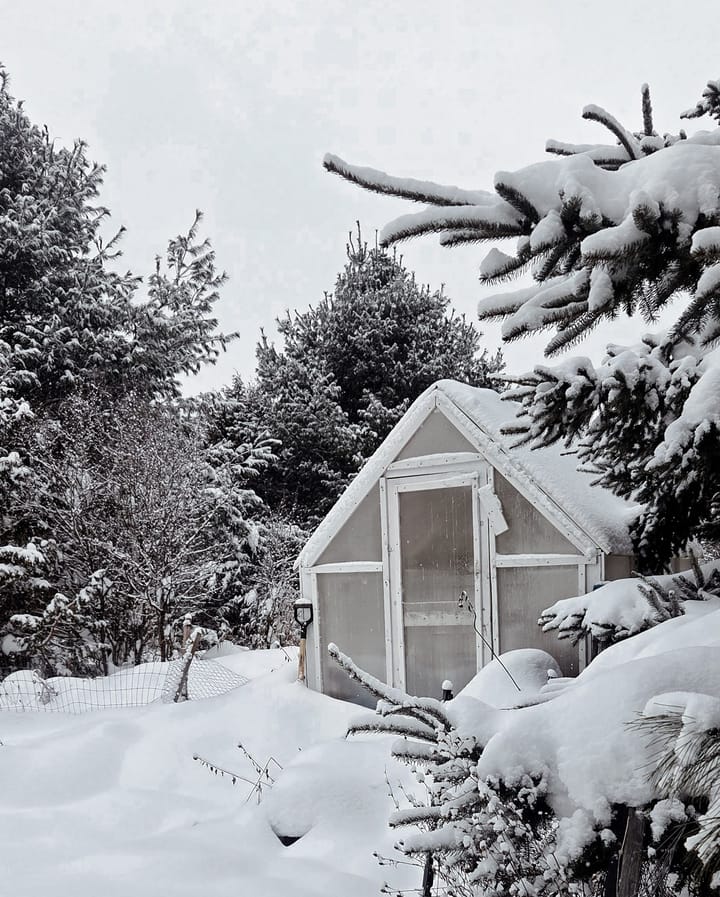
I tend to spend January in observation & reflection mode, curious about what's going on just outside the window in the bitter cold of deep winter. I look to where my farm stand will sit, where the pond project is and what I should do with it this year, the meadow and the tree line. I flip through seed catalogues looking for anything and everything that catches my eye but I also think about all the things I didn't get done in the fall and everything that will need doing in the spring.
There’s a strange moment that comes when you’ve spent years learning how to improve your land and then you wonder one day that maybe it isn’t asking for improvement....maybe it's just asking to.... be. Maybe, it's actually doing fine all on its own.
Over the years I've wondered about adding new native perennials to my land, but I noticed something unsettling and deeply comforting all at the same time.... everything here is doing what it needs to do even without my input, outside of my main garden that is. But realistically, she does whatever she wants too.
The meadow is cycling on its own.
The weeds come and go in waves, doing their quiet repair work while I take minimal notice. The pollinators arrive right on schedule. Nothing feels frantic or out of place. And suddenly I'm thinking to myself.... not what should I do next? but.... am I willing to stop interfering long enough to trust nature's progress?
The hardest lesson no one teaches is that while good land stewardship might look like lots of effort: planting, correcting, amending, managing, fixing... most land doesn’t actually need any instruction at all. If I was not here to tend to my land, the land would still exist... it would still be working away slowly, towards healing, balance, and abundance all by itself.
Maybe what some of our gardens and land need is just time, continuity, and space to finish what it started itself.
** I’m speaking only from my own land here. I’m fully aware of the wider impacts humans have had through deforestation, industrial agriculture, pollution, invasive introductions, and soil stripping. These are problems we collectively created, and because of that, we all carry a responsibility to help mitigate the damage, especially where we’ve disrupted natural systems.
Many of the problems we rush to solve aren't actually problems at all though. Dandelion isn’t a lawn failure. It's pulling up deep minerals. Plantain isn’t a nuisance. It's binding and stabilizing the top soil. Goldenrod isn’t taking over. It's building organic matter and recolonizing for hundreds of late season insects and pollinators.
The land, all by itself, will naturally move from damage to stability to abundance.
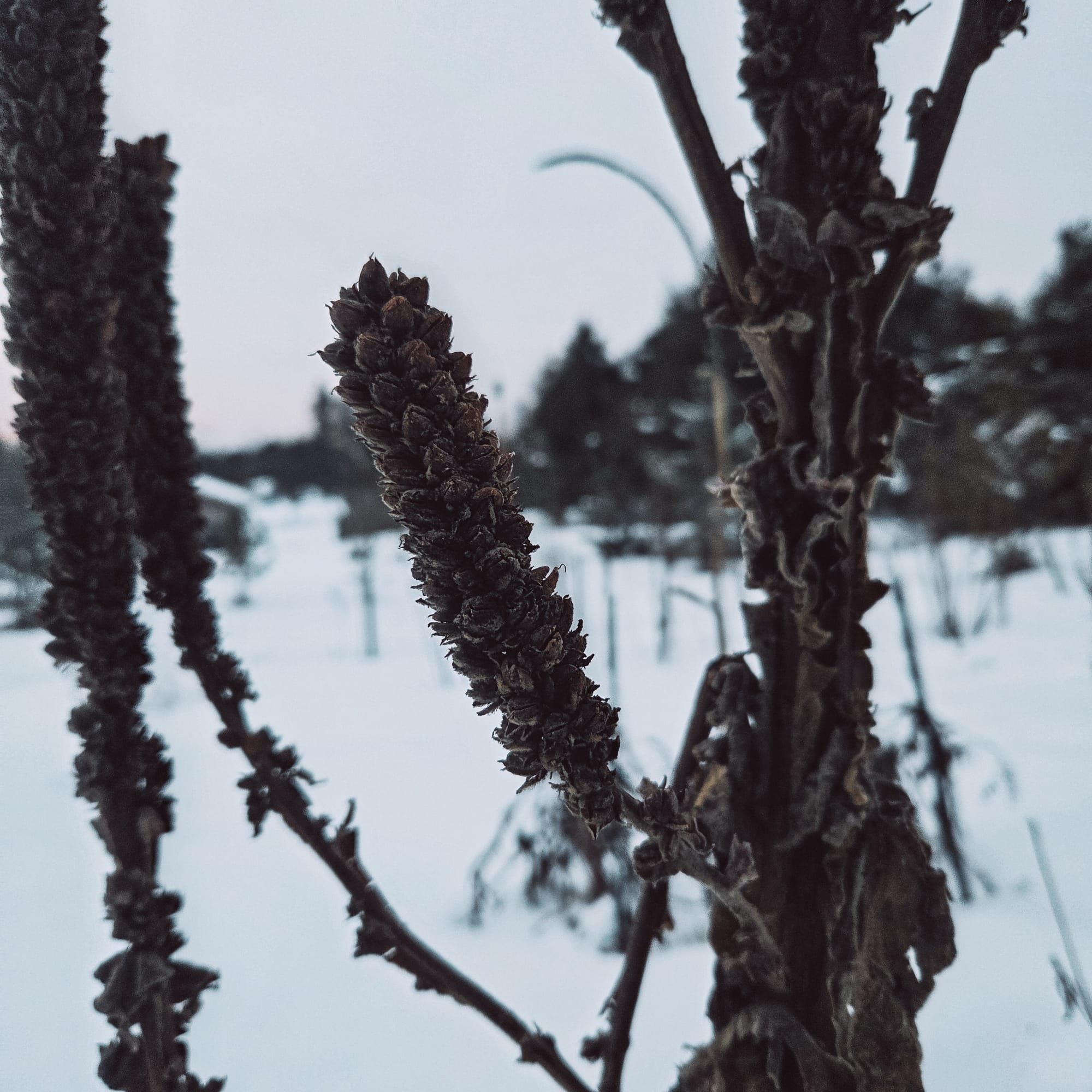
My property is home to over 70 wild medicinal plants. For years I walked right past them all. From the Burdock growing beside my house, always cursing the burrs as I plucked them from my English Springer Spaniels ears, legs, feet and belly every single fall to the Yarrow, Bee Balm, Black Walnut, Self Heal, St John's Wort, Hawthorn, Pine, Elecampane and so many more that call my home their home too.
They waited for me to notice them.... patiently doing the quiet work of healing my land until I noticed them and then they started healing me as well.
At first I asked " wow what can all these plants do for me"? in typical human extraction nature. But then I stared to feel more and ask deeper questions.
Why do some plants show up out of nowhere and then return to the same bed year after year? Why does some plants surge, then recede? Why is there a lot of one type of plant one year and none the next? Where did these plants come from? How are they here but not at my neighbours?
I can dig for the scientific answers for these and many times I do. Other times I just sit with it. Not knowing the why.
I've been paying attention to my land for many many seasons now. Every year I watch patterns appear. Plants that were abundant last year recede the next. I watch the birds, insects and wildlife come and go, completing their own seaosnal patterns. And in watching nature do what nature does best...
Slowly.... the urge to intervene has softened.
The quiet work of not doing has crept in. In our society there’s a particular kind of discomfort in doing nothing on purpose. We must always be doing something! But this is not neglect. It's not abandonment or forgetting or turning a blind eye.
It's intentional non-interference.
And it looks like: letting plants finish their life cycle, leaving roots in the ground, resisting the urge to tidy or fix or add more, and waiting a full year before deciding something is “a problem.” This kind of patience doesn’t photograph well though. Messy gardens are what we all want to see but not what Instagram will push into the algorithm. It doesn’t translate into quick tips or tidy diagrams. It's not 25 garden hacks to grow vegetables in concrete type stuff. But it builds resilience in ways no amendment ever has and it's a different way of teaching and learning.
It feels like how our ancestors would have learned about nature. When they actually had the time to sit and notice.
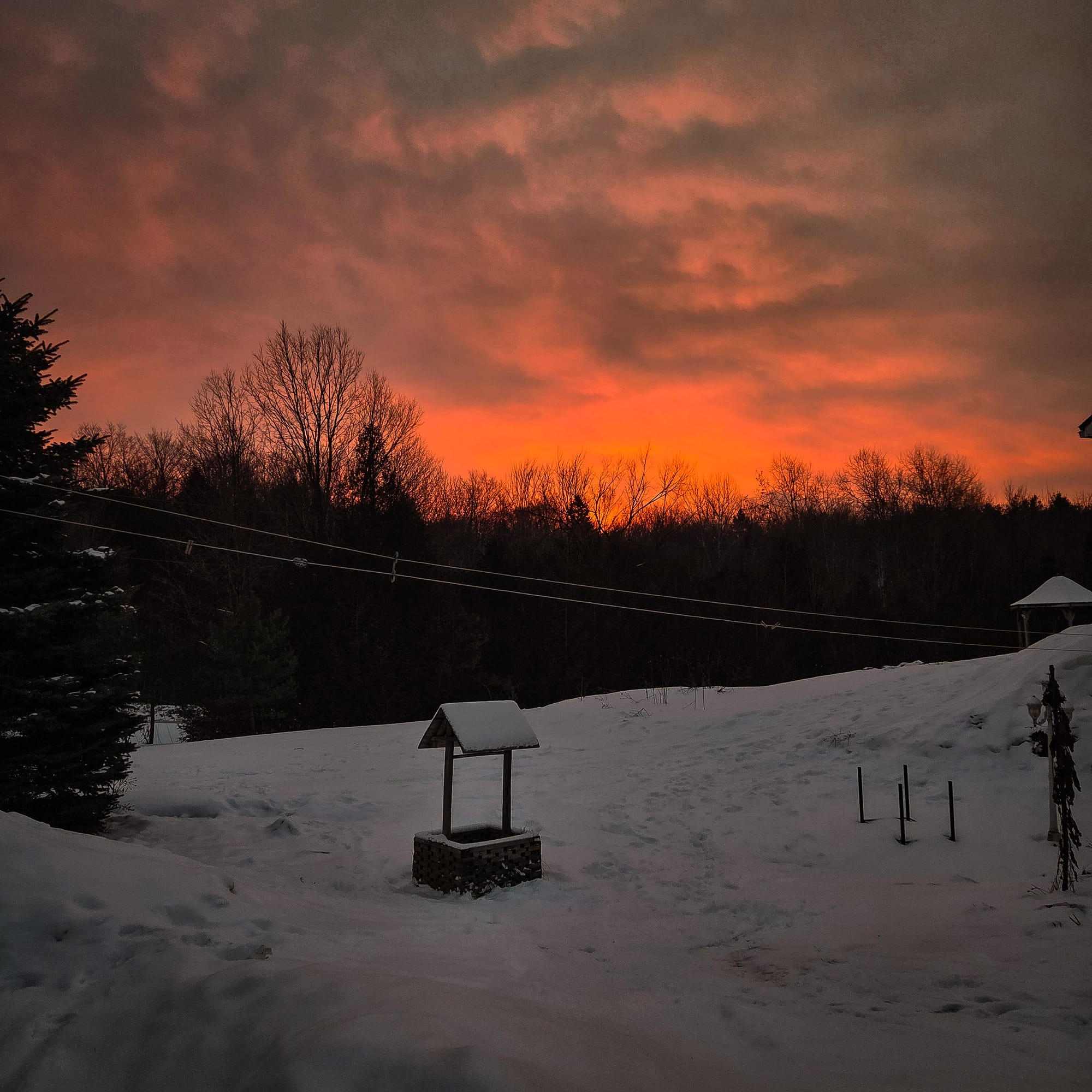
If I teach anything at all to my kids, to farm stand visitors, to my readers, I hope it's how to notice. How to truly see nature for all that it is. To remind them of the connections possible.
To sit in one place long enough that boredom passes and curiosity returns.
To notice which plants arrive together.
To trust cycles more than calendars.
To see restraint as a skill, not a failure of effort. I don’t want people to leave here with instructions. I want them to leave with confidence in their own observations. Because the moment someone stops asking “What should I do?” and starts saying “I’m starting to see it” then the land has become their teacher, not me. And that's when we as a collective society start to heal too.
There will always be times to act. True invasive species need to be removed, breaking new land or repairing after human made problems. But those moments are fewer than we think.
More often, the most regenerative choice is simply this: Don’t interrupt a system that is increasing in diversity, depth, and resilience all by itself.
Let it finish. Trust is part of the process. Letting the land do its thing isn’t passive. It’s relational. It requires: humility, attention, willingness to be wrong, comfort with mess, faith in long timelines. It’s not glamorous. It's not Instagram worthy . It won’t make us feel productive every day. But it will, over time, make us fluent in nature. And once we can read land like a conversation instead of a problem it becomes a reciprocal relationship and that's how land stewardship should be.
~K
Comments ()